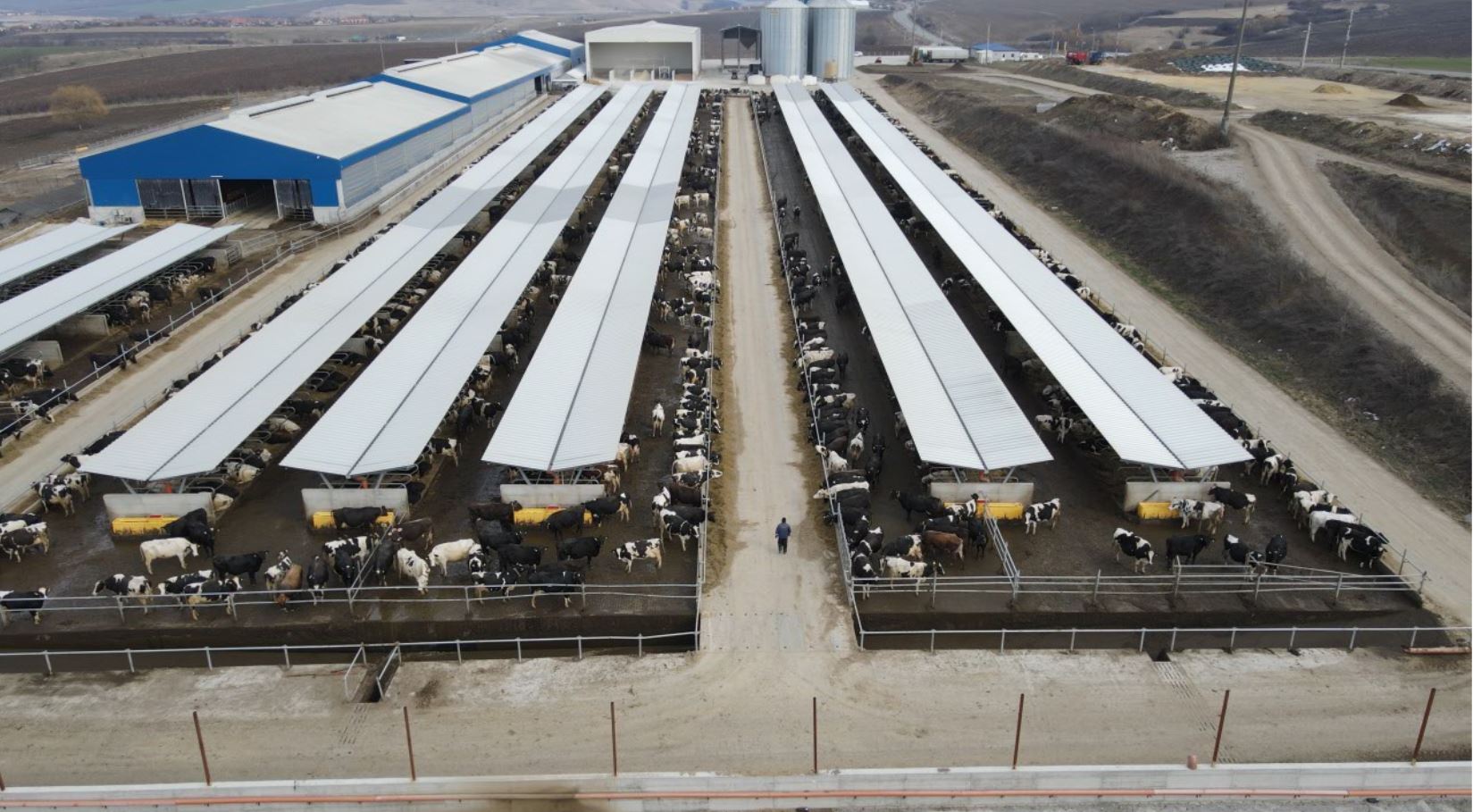
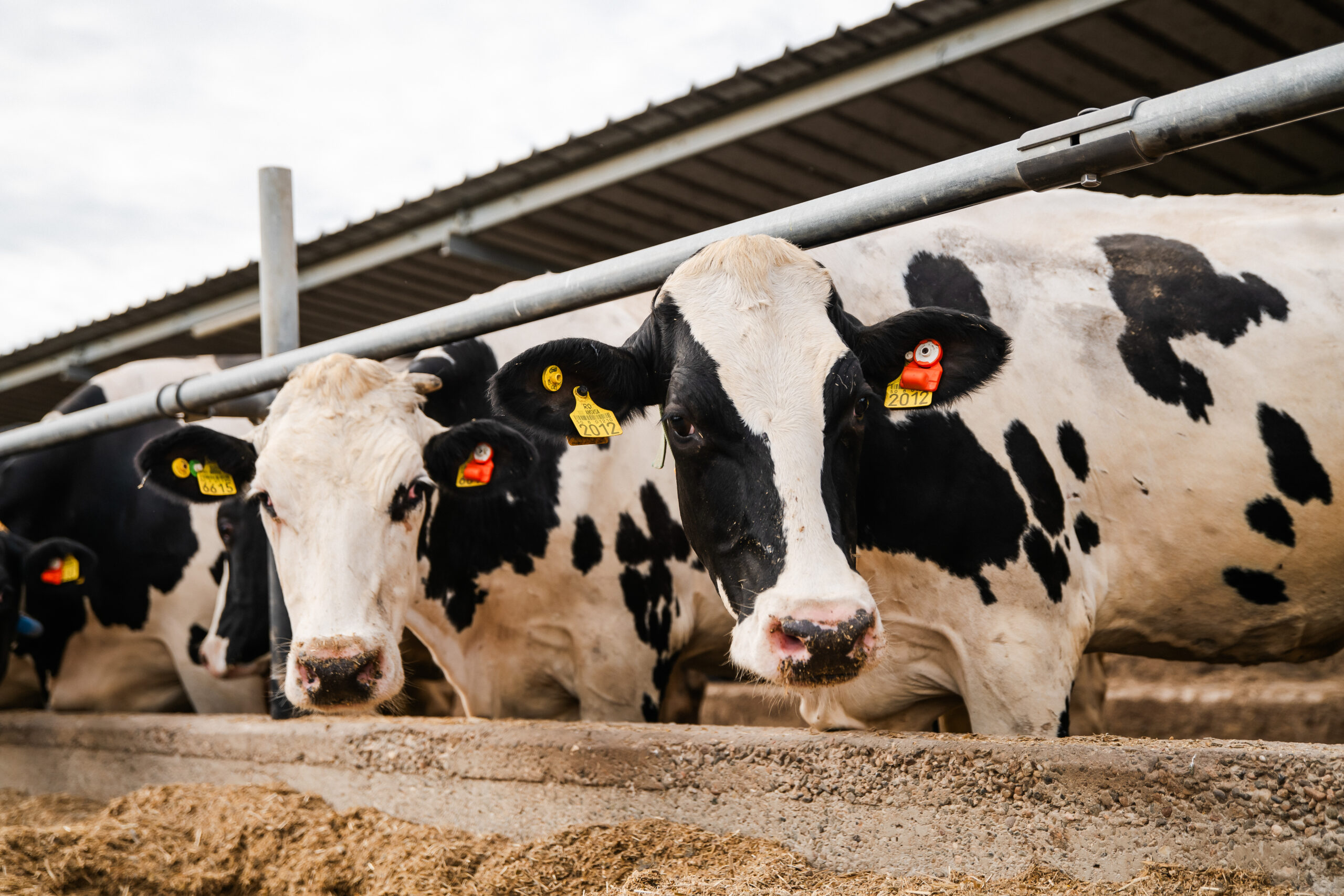
The DN AGRAR CUT farm features a rotary milking parlor equipped with 60 stations, with a milking capacity of between 300 and 350 cows/hour, generating a daily production of 50,000 liters of milk.
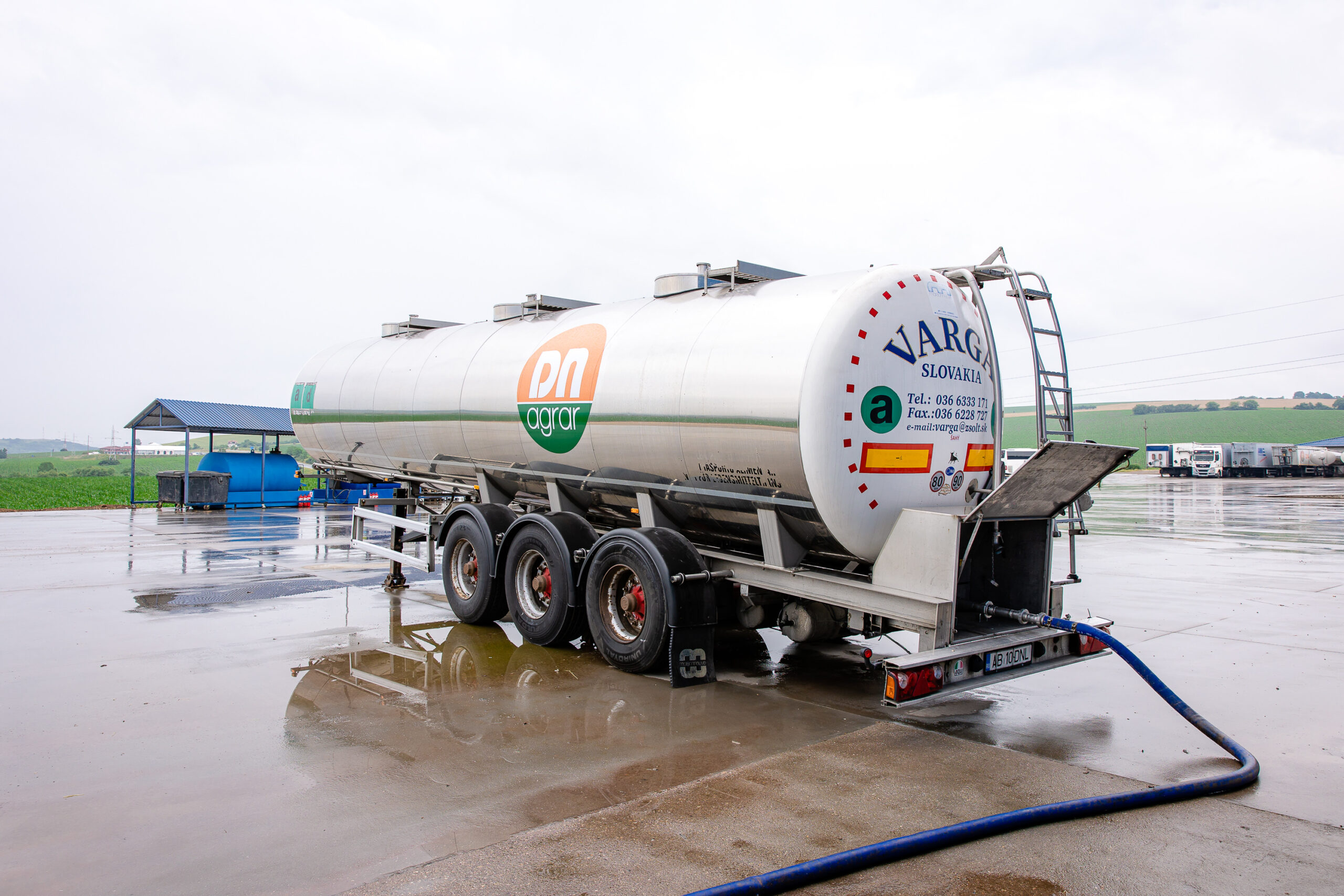
The integrated milk cooling system, which lowers the temperature from 37°C to 4°C, ensures quality preservation and facilitates both direct loading into tankers and transportation to processing units.
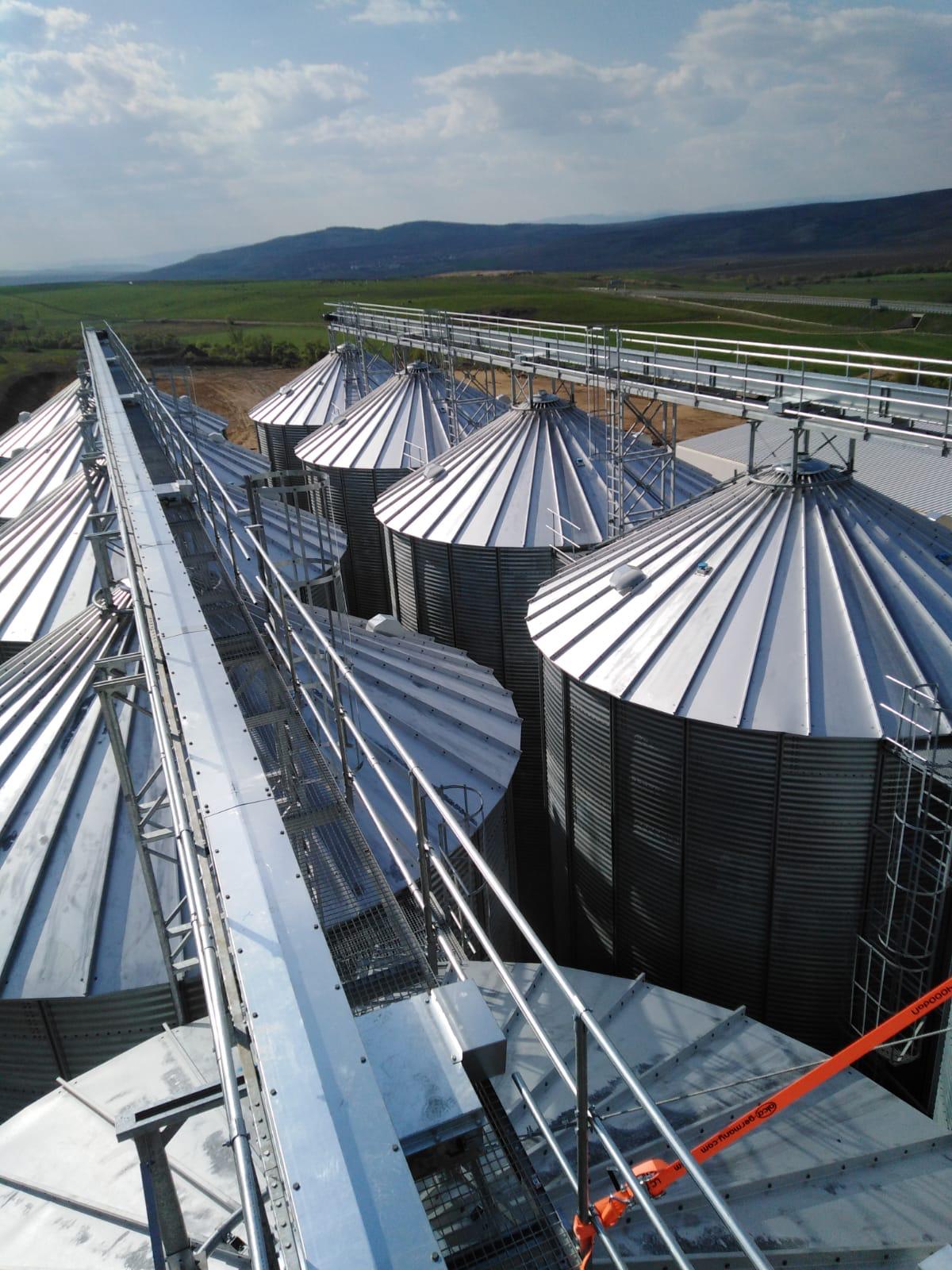
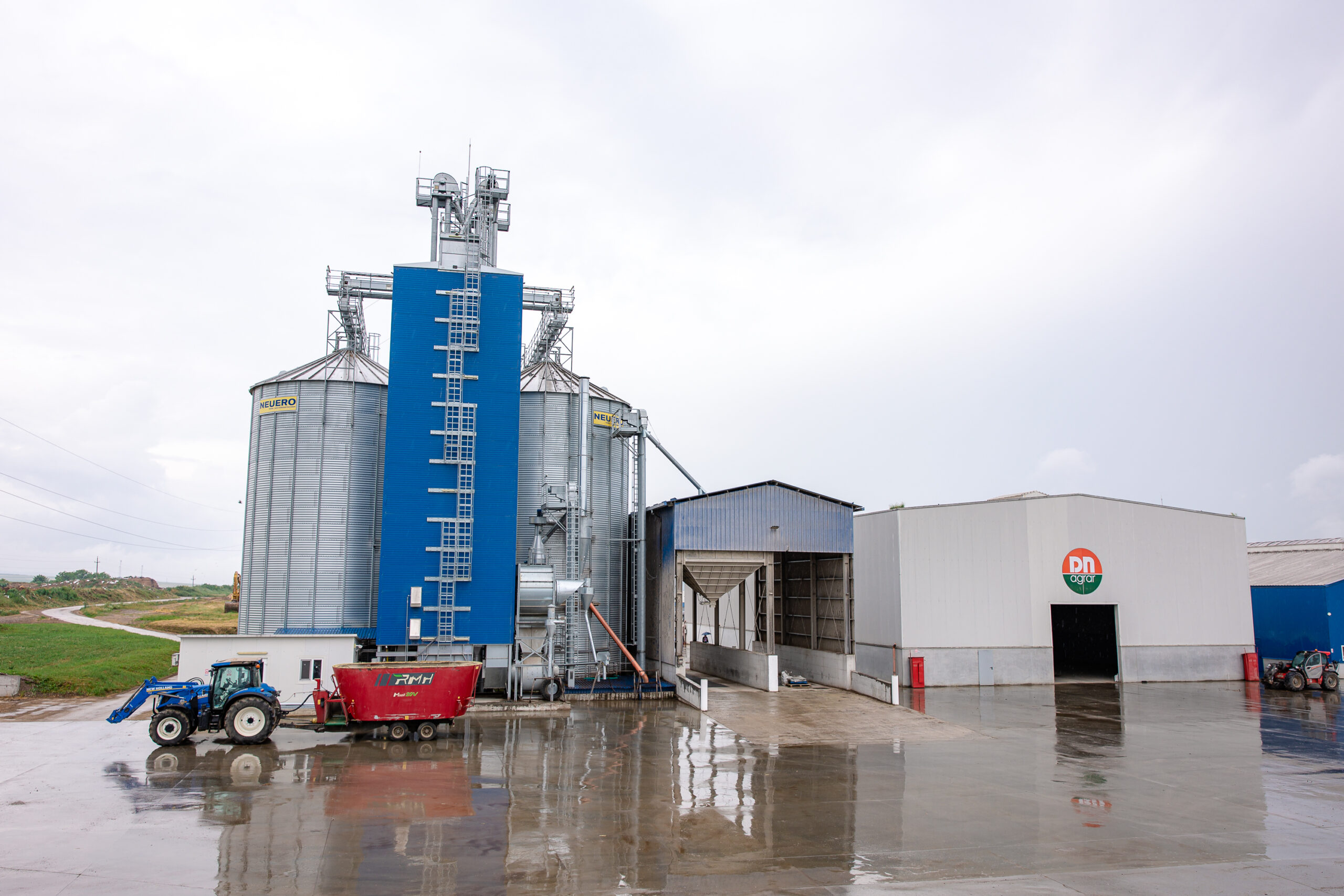
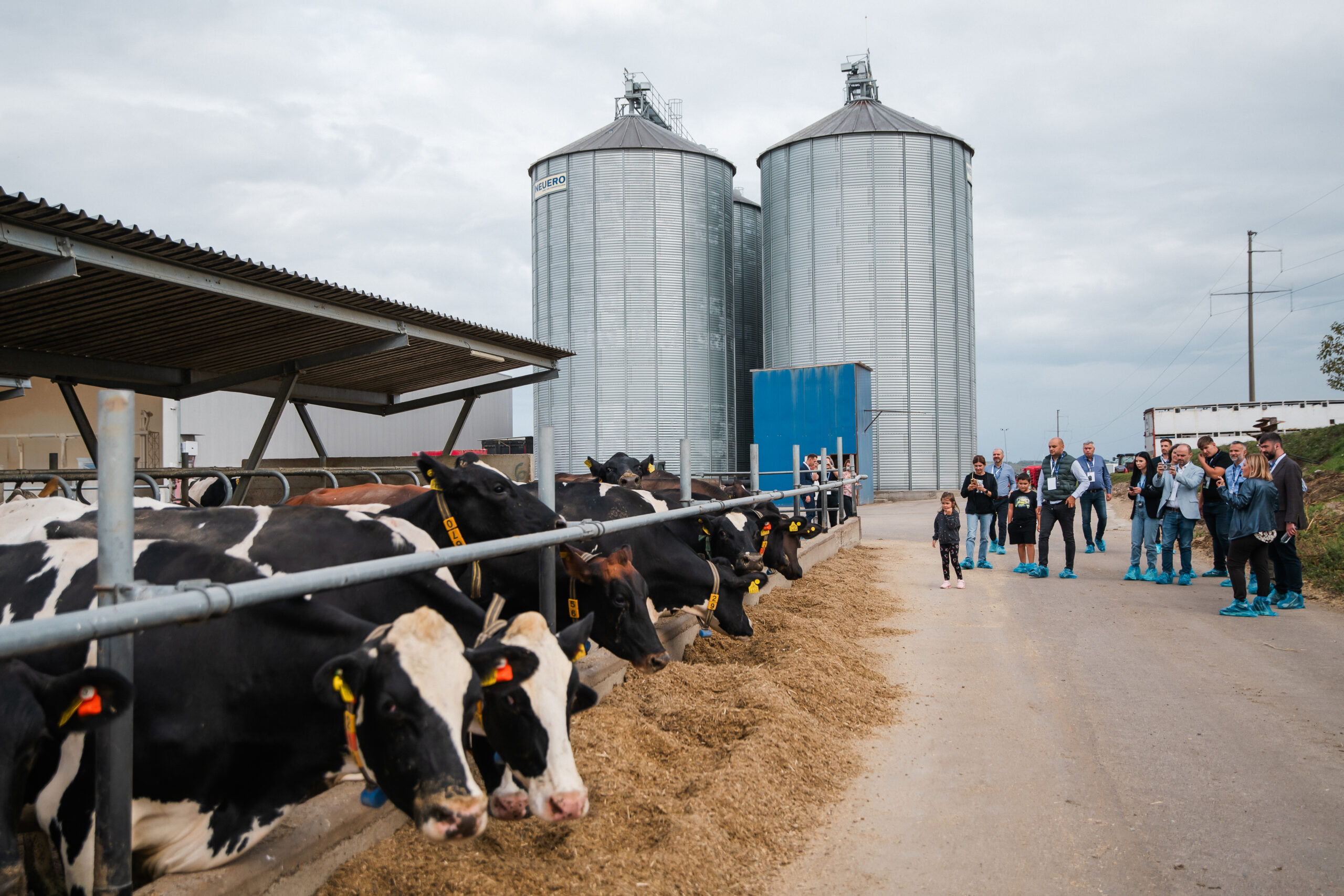
The farm’s infrastructure also includes a lagoon for manure storage, as well as 10 silos, with a total capacity of 10,000 tons, used for storing wheat, maize, sunflower and triticale.


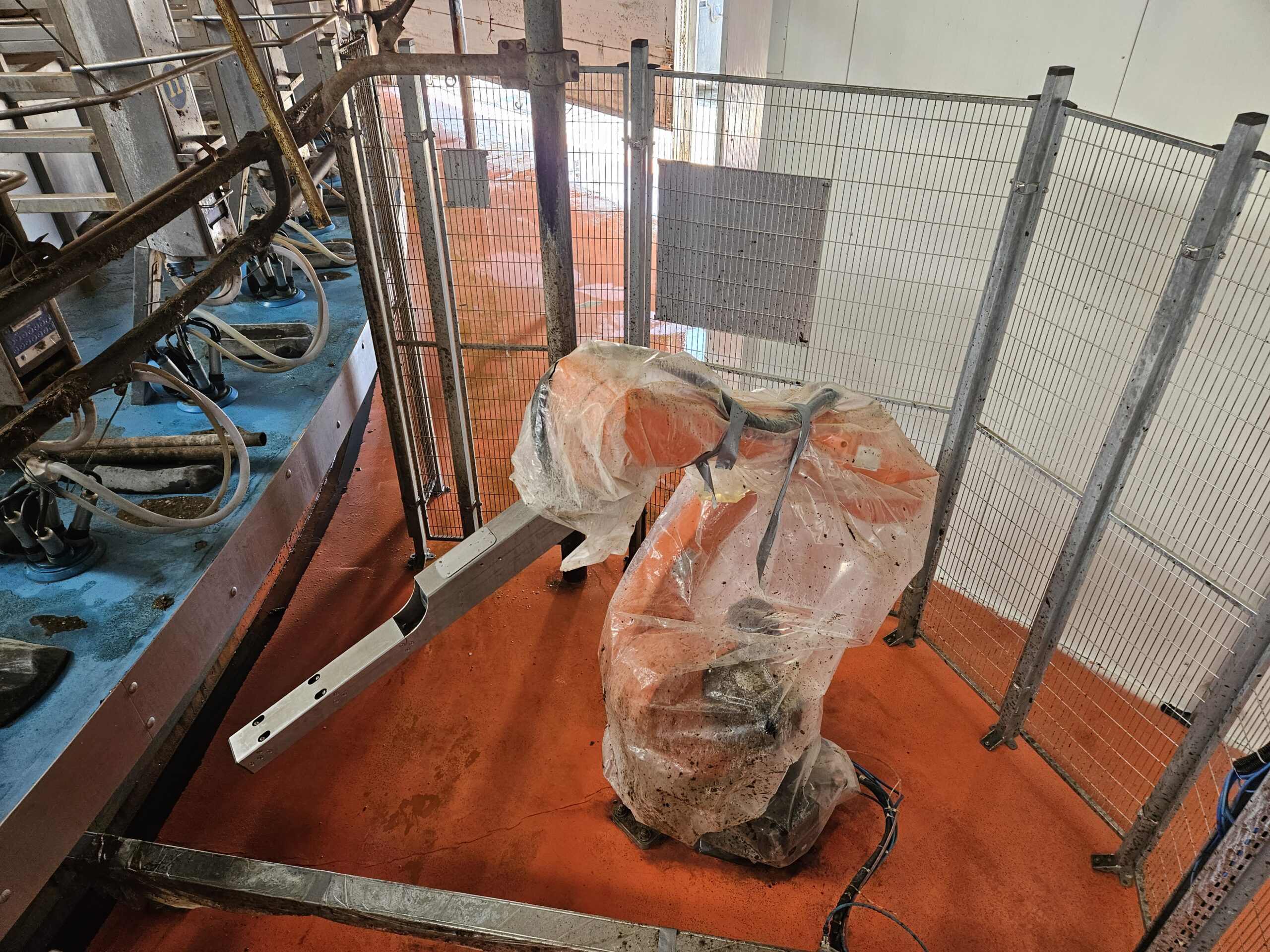
An important step in streamlining and optimizing the milking process at DN AGRAR CUT was the installation of two types of industrial robots in the farm’s milking parlor.
This technology is specially designed for rotary milking parlors, with the aim of minimizing clinical mastitis and reducing costs.
The project’s implementation, initiated in 2023 and completed in 2024, will support a significant improvement in operational efficiency in the long term by reducing manual labor up by 50% for specific operations within the milking process. The benefits of the implementation have been visible since the fourth quarter of 2024, following the completion of the adaptation and optimization phase.
- The first type of robot, installed in May 2023, is an automatic udder disinfection sprayer after the milking process.
- The second type of robot, installed in June 2024, is designed for udder pre-cleaning and stimulation and milking.
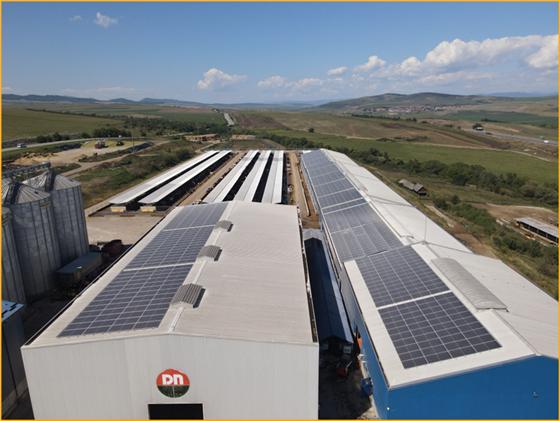
In 2025 solar panels were installed on the roofs of the Cut farm buildings (through DN AGRAR Service), as well as for Apold and Lacto Agrar farms.
This project was financed both through subsidies (60% from accessing non-refundable funds through the National Recovery and Resilience Plan) and through bank financing.
This project was carried out in 2025, and installations are fully functional. Their complete commissioning, which will be finalized following the completion of the infrastructure for the power increase, is estimated to be concluded in 2026. Furthermore, the farms were also equipped with energy storage systems (batteries) to maximize efficiency. The main goal is reducing the carbon footprint and securing a renewable energy source for the company’s internal operations.