
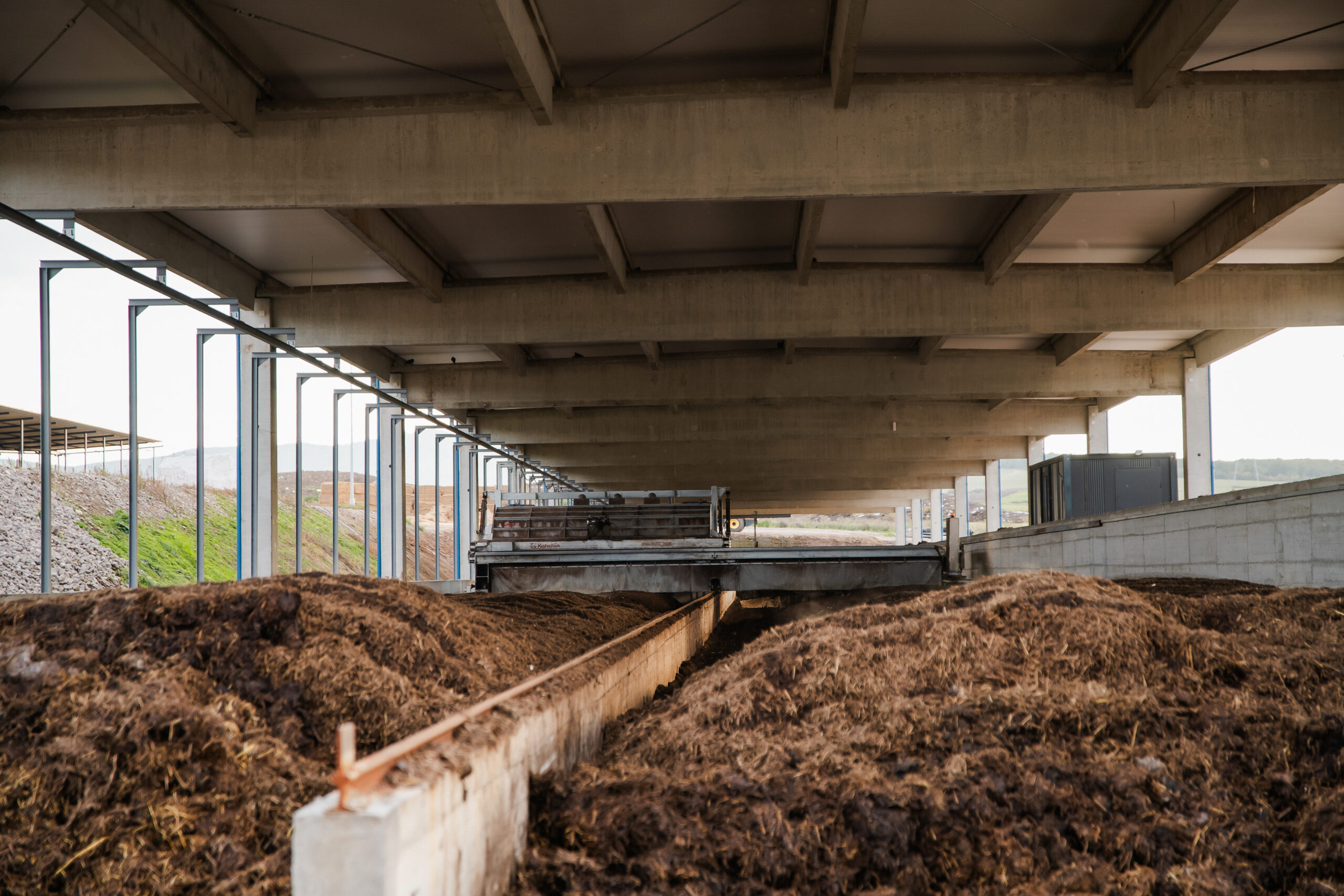
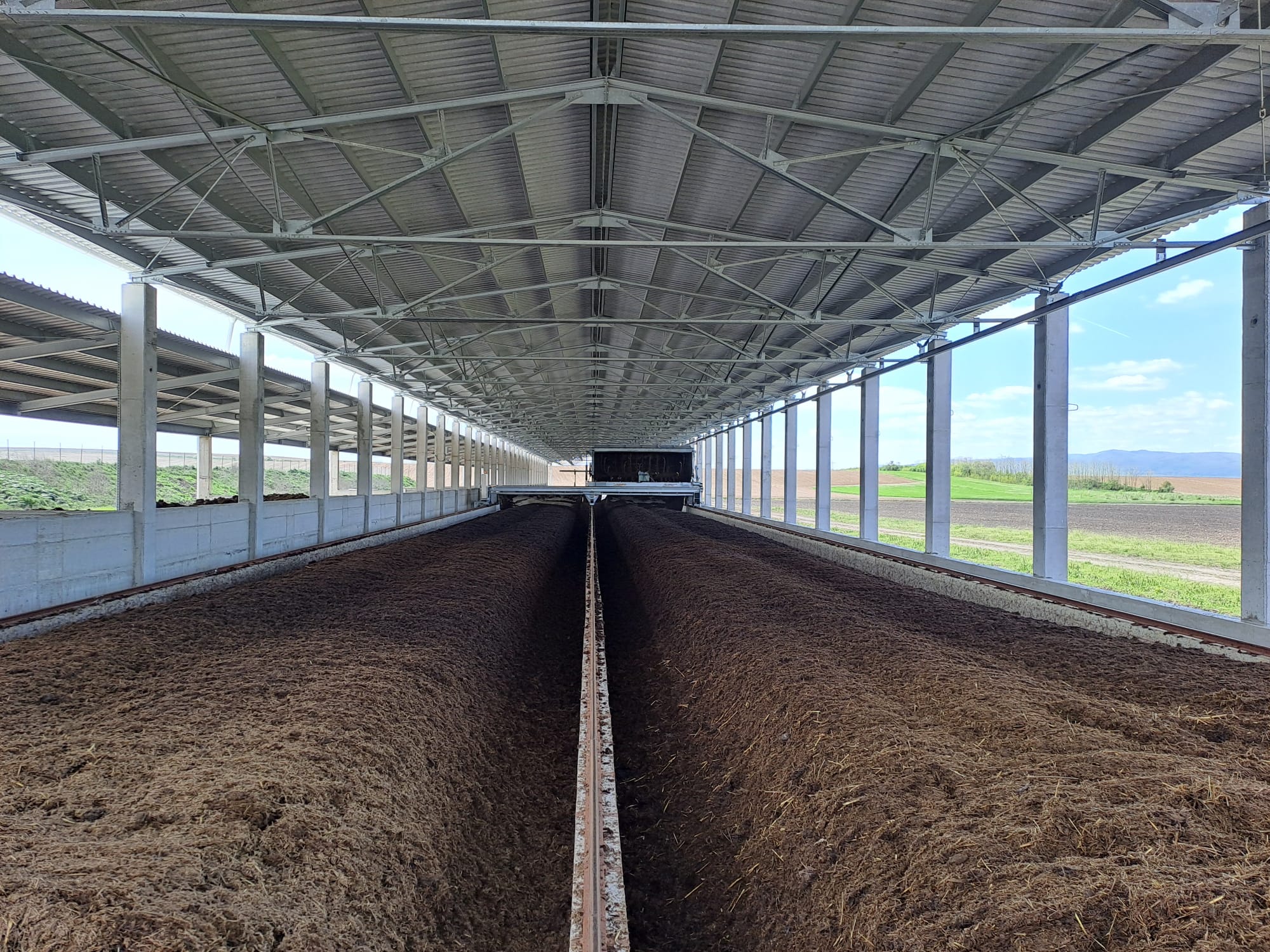
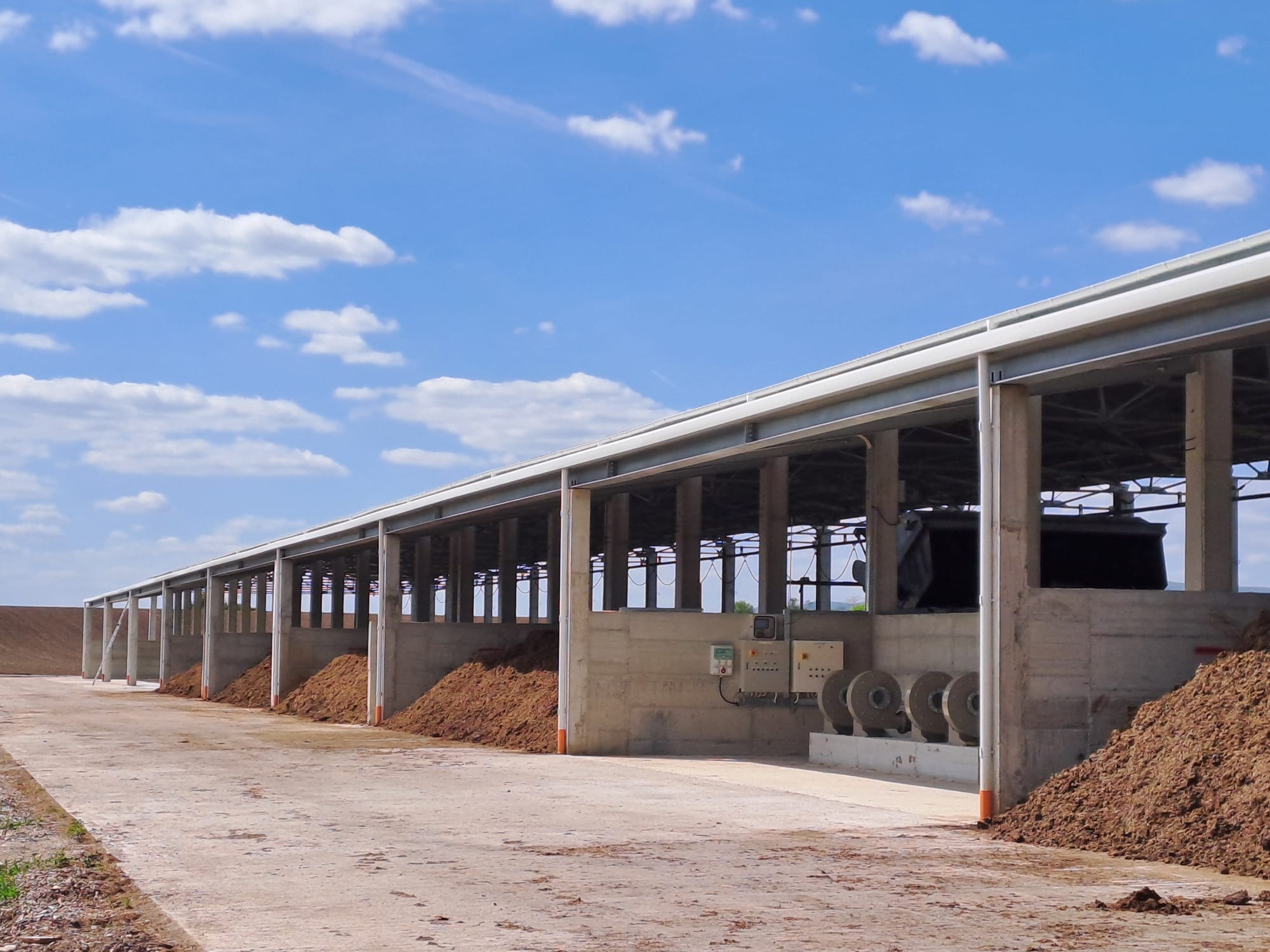
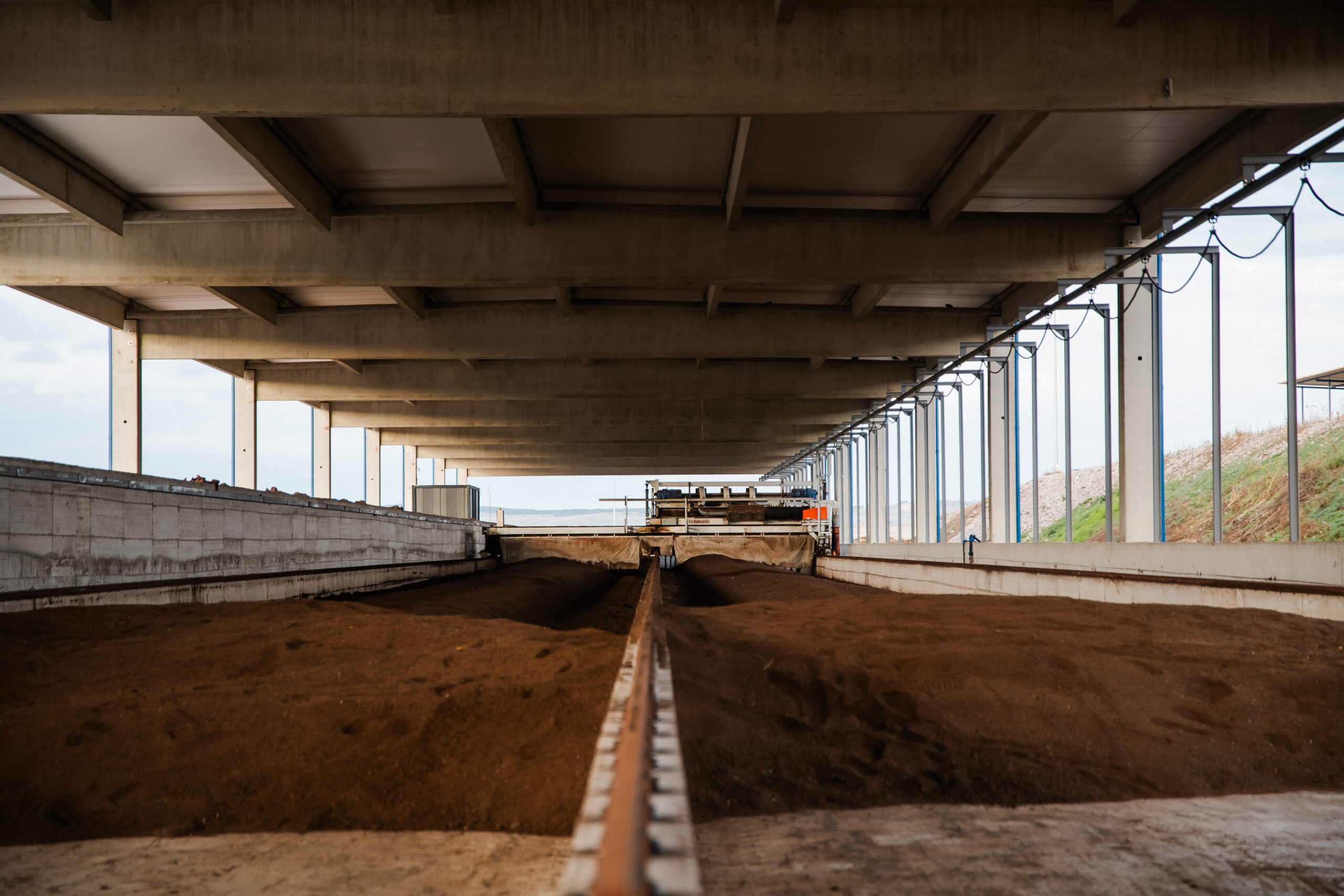
Through the compost factory project, DN AGRAR manages efficiently the manure and increases soil fertility, actively contributing, at the same time, to the reduction of greenhouse gas emissions. This initiative demonstrates DN AGRAR’s commitment to the principles of circular agriculture, as a promoter of it.
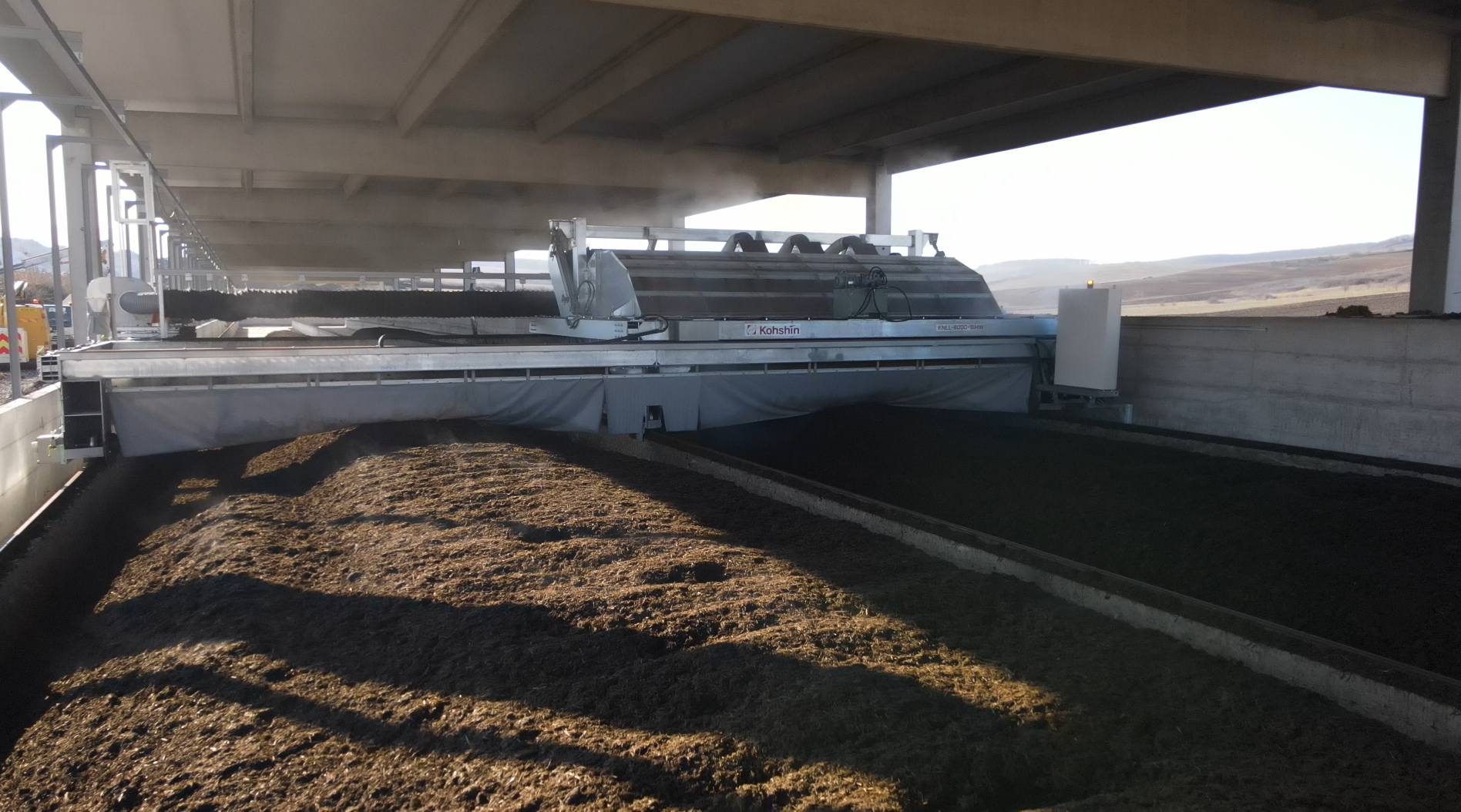
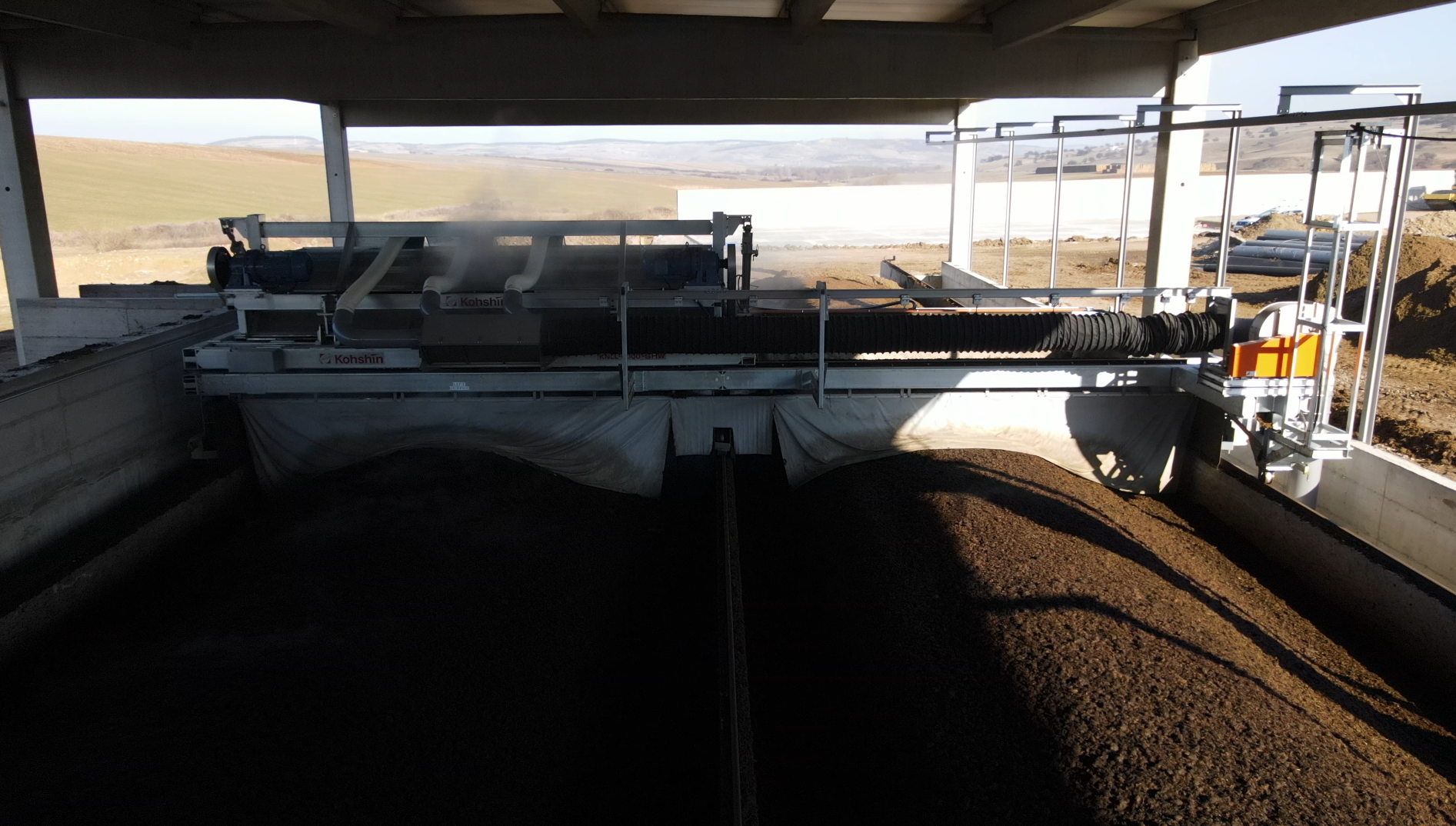
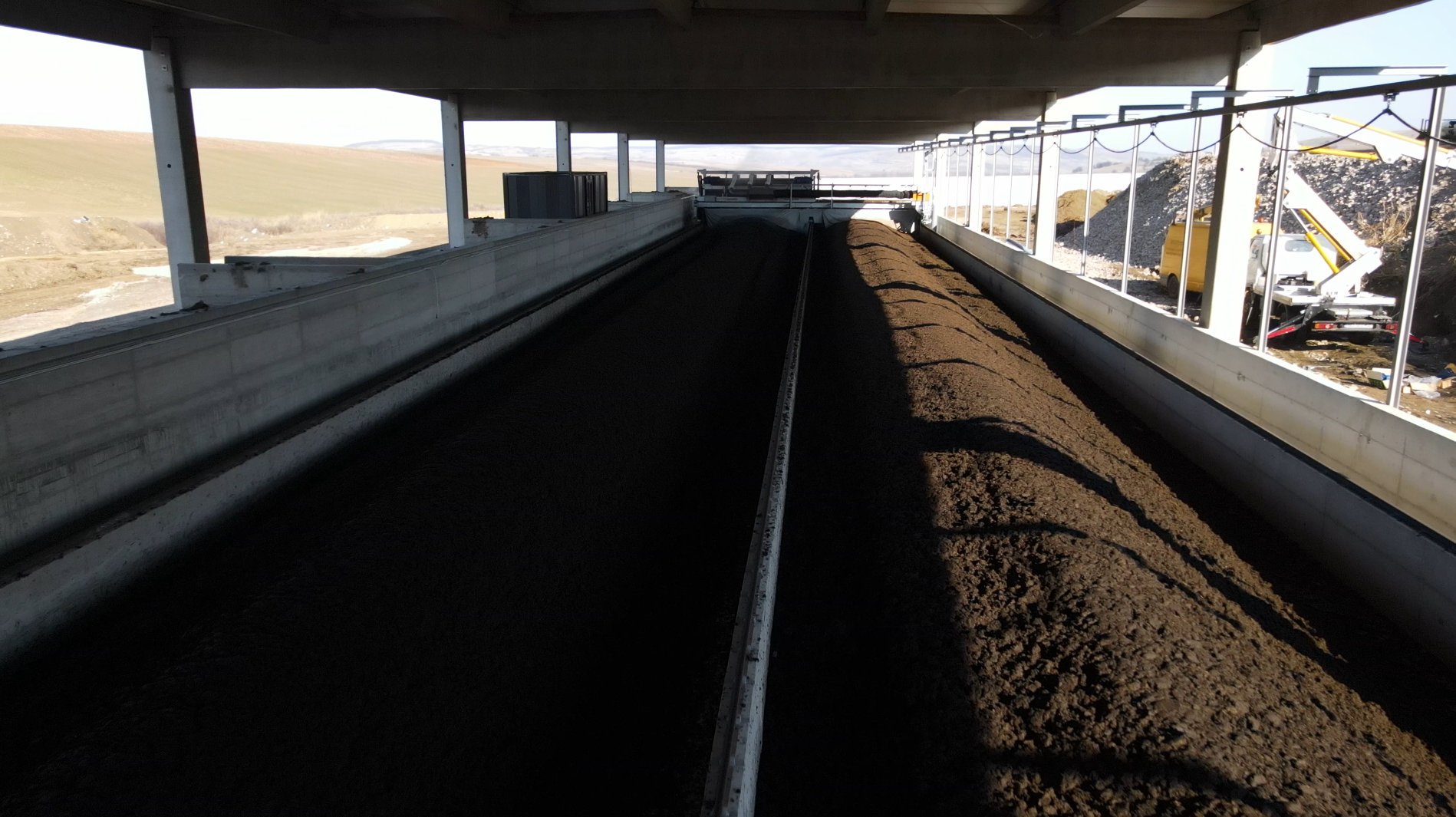
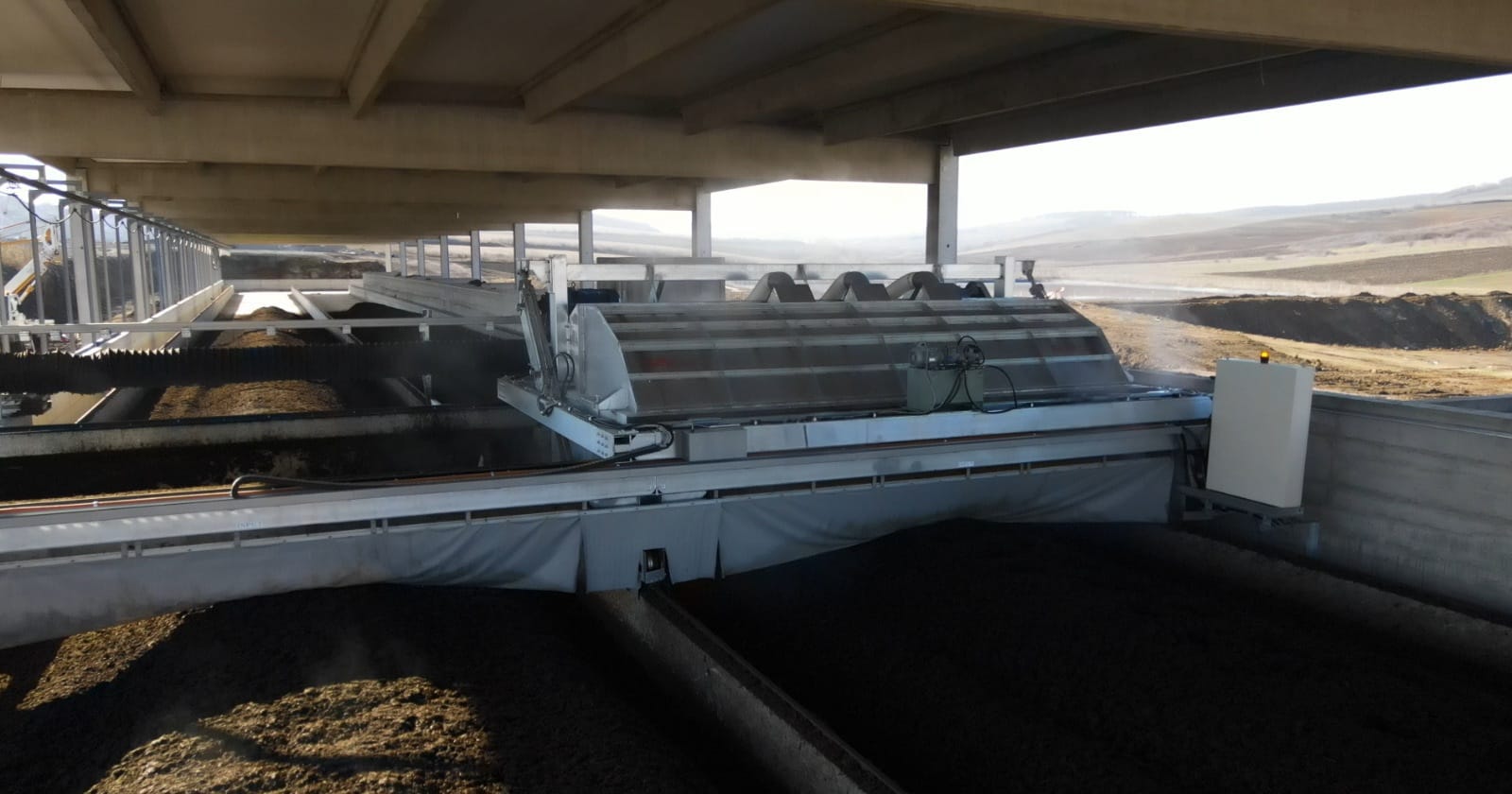
DN AGRAR marks another step towards strengthening the circular economic model at Group level by implementing the first automated manure composting unit at Apold farm.
In parallel with the start of the operations, we have embarked on the process to obtain voluntary carbon certification for the compost produced, and by the end of 2026, we expect to receive the first carbon credits.
The integrated project built around the compost factory will generate significant economic benefits, including additional revenues for sales and from carbon credits earned through methane emission reductions.
Peter de Boer
CEO & BoD Member
DN AGRAR Group
DN AGRAR’s decision to develop compost production through a composting unit located near the Apold farm, is considered as a crucial first step. The success of this first composting factory was considered essential for expansion of such facilities to the other farms within the group.
Following the success of its first composting unit at the Apold farm (operational since late 2024) and the second at the Lacto Agrar farm (operational since late 2025), DN AGRAR is pioneering the development of manure composting facilities across all its remaining farms. This initiative underscores the expansion of a promising new business line for the group.
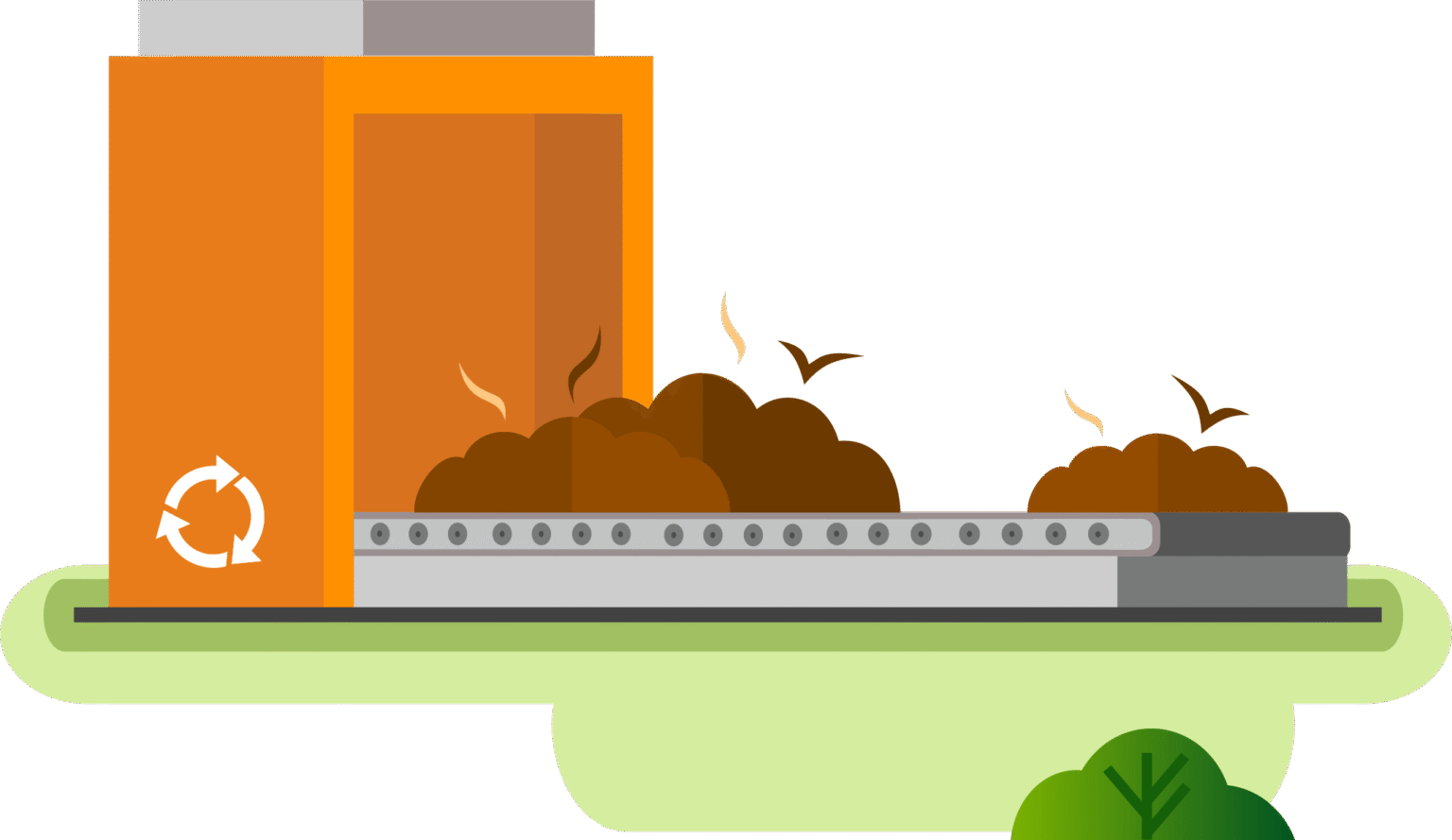
From manure to organic compost.
The composting process at DN AGRAR Apold farm.

